

The work was published in the journal with the highest worldwide impact in the field of physiology.
A team coordinated by the Life and Health Sciences Research Institute (ICVS) of the University of Minho analysed evidence that certain proteins help malignant cells survive and grow, and may therefore be targets for future therapies.
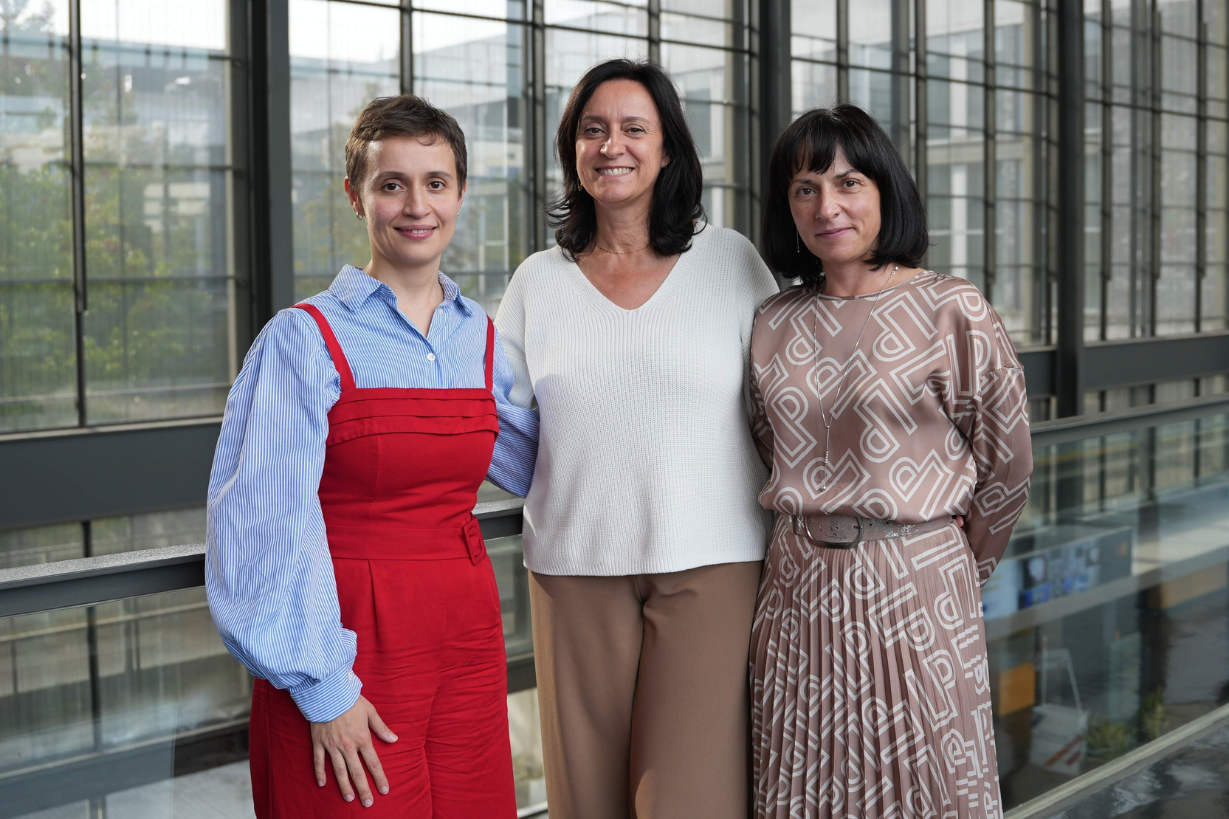
The scientific review was published in “Physiological Reviews”, the journal with the highest worldwide impact in the field of physiology. The article is authored by Julieta Afonso, Joana Pereira-Vieira and Fátima Baltazar (BiTCancer Team), of ICVS at UMinho’s School of Medicine, together with colleagues from IPO-Porto, the Polytechnic University of Porto and the Barretos Cancer Hospital (Brazil).
The work examines the role of proteins known as monocarboxylate transporters (MCTs), which allow cells to transport molecules such as lactate, which is involved in the production and use of energy and in the regulation of the cellular environment. Although this process is essential for the normal functioning of cells, malignant cells can exploit the same mechanisms to sustain their rapid growth. MCTs help them manage the large amounts of lactate they produce, maintain their metabolism and adapt to the tumour microenvironment.
Halting tumour adaptation
The authors address the role of these proteins in healthy tissues and their involvement in cancer progression and resistance to treatment. They also discuss the potential of these transporters as therapeutic targets and the challenges that remain before they reach clinical practice.
Although inhibitors are in the early stages of clinical evaluation, more research and validation are needed to determine in which types of tumour these approaches may be effective. The work thus contributes to the study of cancer metabolism and the role of lactate in tumour biology, bringing fundamental research closer to the search for new therapeutic strategies.
