

A team from the Life and Health Sciences Research Institute (ICVS) at the University of Minho School of Medicine has published, in the prestigious journal Endocrine Reviews, a scientific review of the most recent advances in the brain mechanisms that regulate feeding behaviour. The review shows that these systems operate as a highly interconnected network rather than as relatively independent circuits. It helps explain the limited success of single-target therapies and points towards the development of combination treatments and precision medicine, which may prove more effective against eating disorders such as obesity, anorexia nervosa and binge eating disorder, all of which have a considerable social and economic impact.
Appetite regulation has traditionally been explained by the coexistence of two relatively independent systems: one focused on the body’s energy requirements (homeostatic), and the other associated with the pleasure of eating and reward (hedonic). However, this review, developed as part of Jorge H. Fernandes’s doctoral research, describes newly identified regulators and underexplored mechanisms, demonstrating that this distinction is increasingly blurred, since both systems communicate with and influence each other.
“Appetite results from a highly interconnected network, in which signals related to hunger, satiety, pleasure and reward converge on the brain centres that control feeding,” explains researcher Jorge H. Fernandes. “If one mechanism is compromised, this interconnection gives rise to compensatory pathways that favour food intake, which helps to explain the limited success of therapies that target only a single pathway.”
In addition to consolidating the latest knowledge in this field, the article discusses how alterations in these mechanisms may contribute to diseases with a major societal impact, such as obesity, anorexia nervosa and binge eating disorder. This perspective helps to clarify the limitations of several existing treatments and opens new avenues for addressing metabolic diseases and eating disorders. The authors suggest that the future of therapy may lie in combination approaches, acting simultaneously on different brain circuits, and in precision medicine, tailored to the genetic and molecular characteristics of each patient.
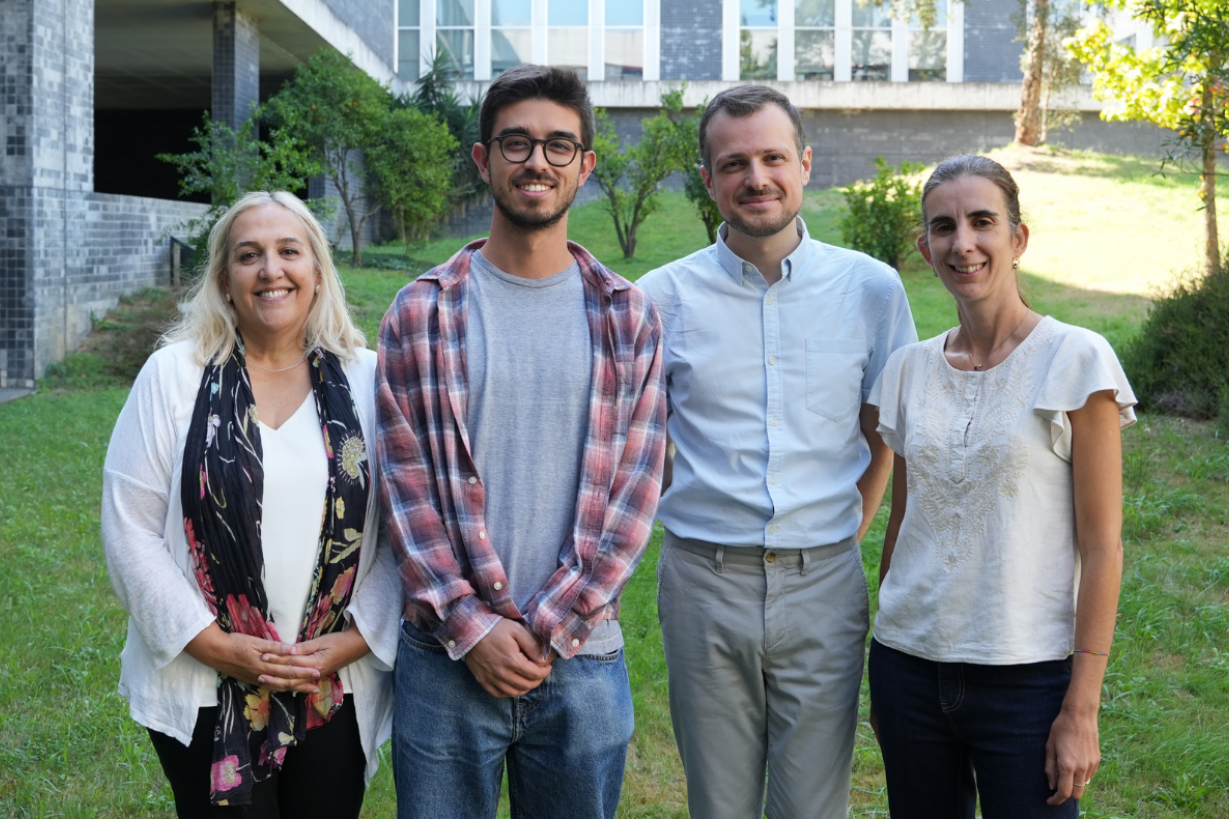
The ICVS research group, led by Patrícia Maciel and Jorge Diogo da Silva, continues to explore these mechanisms in the laboratory using the Caenorhabditis elegans model organism, specifically investigating the role of autophagy (cellular degradation and recycling) in the regulation of feeding behaviour.
