

An international team coordinated by Cláudia Nóbrega, of the Life and Health Sciences Research Institute (ICVS) at the School of Medicine of the University of Minho, has received $600,000 (about €525,000) in funding from the National Multiple Sclerosis Society in the United States to investigate the relationship between the Epstein-Barr virus and multiple sclerosis. The disease affects the central nervous system, impairing the vision, mobility and sensation of nearly 15,000 people in Portugal and three million worldwide.
The Epstein-Barr virus is common and infects most people over their lifetime, usually without causing serious problems. Its presence and possible reactivation are associated with the development of multiple sclerosis, particularly in genetically predisposed individuals. The new project aims to understand why the immune system may fail to keep the virus under control.
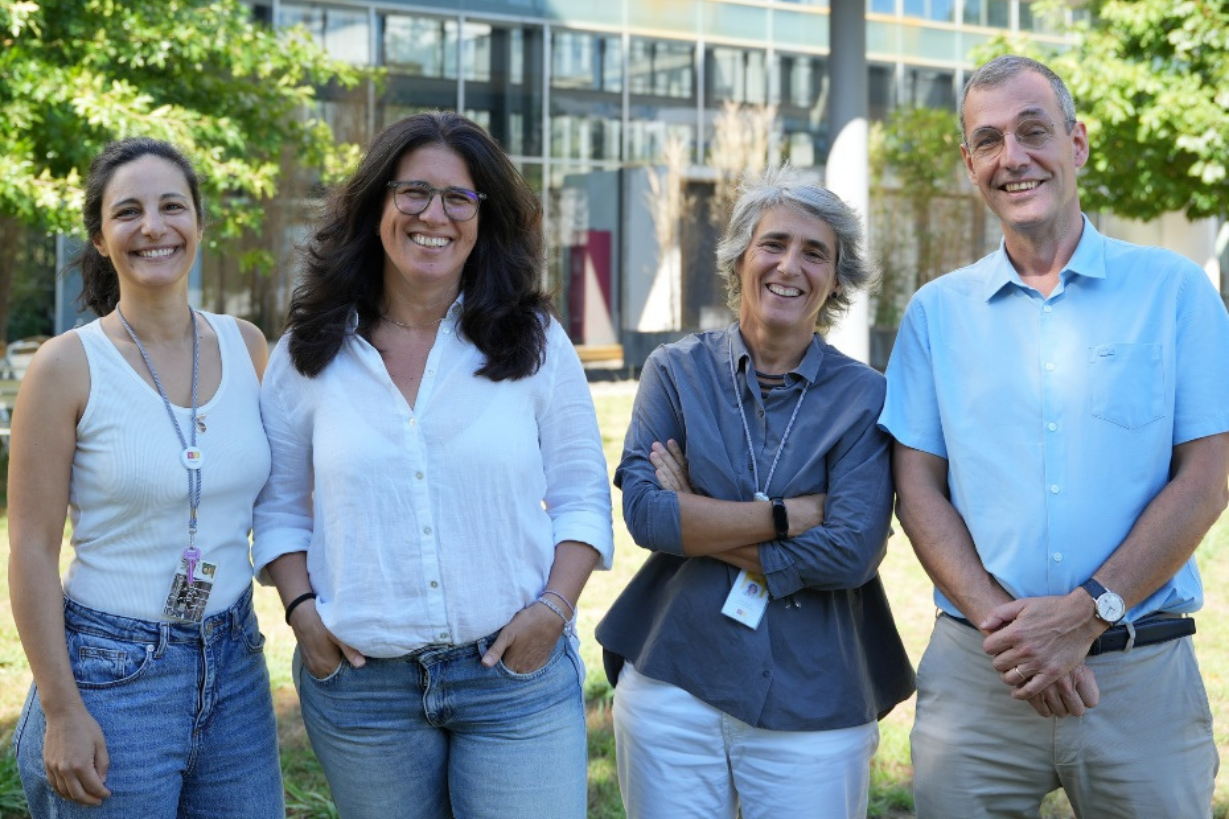
The research team at ICVS also includes Ana Falcão, João Cerqueira and Margarida Correia-Neves, and the project involves partners Margarida Rei, of the Instituto Gulbenkian de Medicina Molecular (GIMM) in Lisbon, and Ricardo Fernandes, of the University of Oxford in the United Kingdom.
In practice, the scientists will compare the immune cells of people recently diagnosed with the disease with those of healthy people who are also infected with the virus. The team will develop modified T lymphocytes, that is, immune system cells prepared in the laboratory to better recognise and control the virus. These cells will be tested in laboratory models to assess whether they can prevent the virus from reactivating without triggering autoimmune responses.
This approach differs from those typically used in the treatment of multiple sclerosis. Rather than acting only on the inflammation caused by the disease, it seeks to strengthen the body’s defences in order to keep under control a virus that may help trigger or worsen the condition. The results could contribute to new therapies based on immune system cells, including for other autoimmune diseases linked to the same virus.
