


Inês Pereira

  • Immunology
  • Fungal Infection
  • Immunometabolism
  • Aspergillosis

Inês Pereira holds a bachelor’s degree in biochemistry from the University of Porto and a master’s degree in health sciences from the University of Minho. Currently, Inês is a Ph.D. student in Biomedicine and Health Sciences under the supervision of Dr. Agostinho Carvalho at the Life and Health Sciences Research Institute (ICVS), Braga, Portugal. She has dedicated herself to investigating the molecular and cellular mechanisms underlying susceptibility to invasive fungal infections, particularly exploring the impact of the immune system on host-fungus interaction. Her ongoing research relies on elucidating the intricate mechanisms linking genetic variation in glycan-binding proteins to susceptibility to viral-fungal coinfections.

Inês Pereira

  • Immunology
  • Fungal Infection
  • Immunometabolism
  • Aspergillosis

Inês Pereira holds a bachelor’s degree in biochemistry from the University of Porto and a master’s degree in health sciences from the University of Minho. Currently, Inês is a Ph.D. student in Biomedicine and Health Sciences under the supervision of Dr. Agostinho Carvalho at the Life and Health Sciences Research Institute (ICVS), Braga, Portugal. She has dedicated herself to investigating the molecular and cellular mechanisms underlying susceptibility to invasive fungal infections, particularly exploring the impact of the immune system on host-fungus interaction. Her ongoing research relies on elucidating the intricate mechanisms linking genetic variation in glycan-binding proteins to susceptibility to viral-fungal coinfections.

Add Your Heading Text Here

Projects

As Leader

Projects

As Member

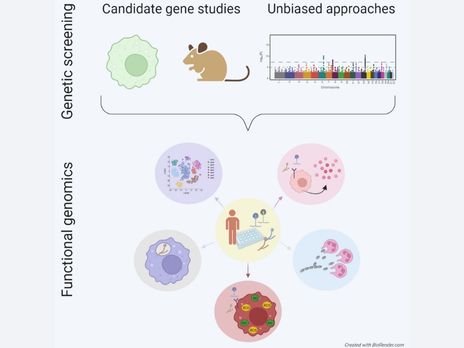
Functional genomics of fungal disease

Genetic analysis of molecular and functional traits in immune cells, such as gene and protein expression and effector functions, offers a promising strategy for investigating phenotypic variation and dissecting the molecular mechanisms underlying propensity to infection.
Read More

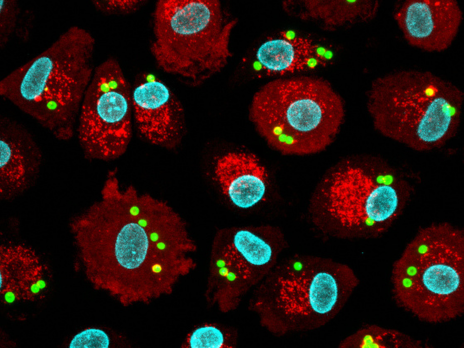
Host-fungus interaction and disease pathogenesis

The reprogramming of cellular metabolism is a fundamental mechanism whereby immune cells respond to infection. The sensing of microbial ligands by myeloid cells promotes dynamic changes in host cell metabolism to deliver a rapid source of energy to support…

Read More

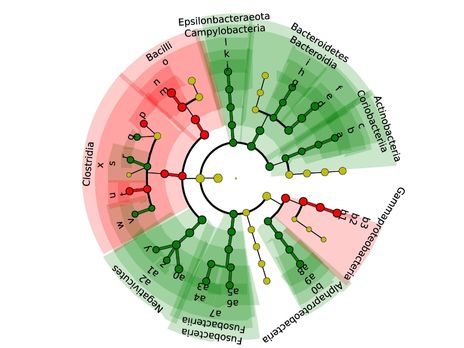
Lung microbiome and mucosal immunity

Recent studies have successfully implicated several factors in the susceptibility to fungal infection, but have provided little insight into the nature of the underlying biological mechanisms. We propose a multiomics approach to link deep clinical phenotyping…

Read More