

Ana Pereira

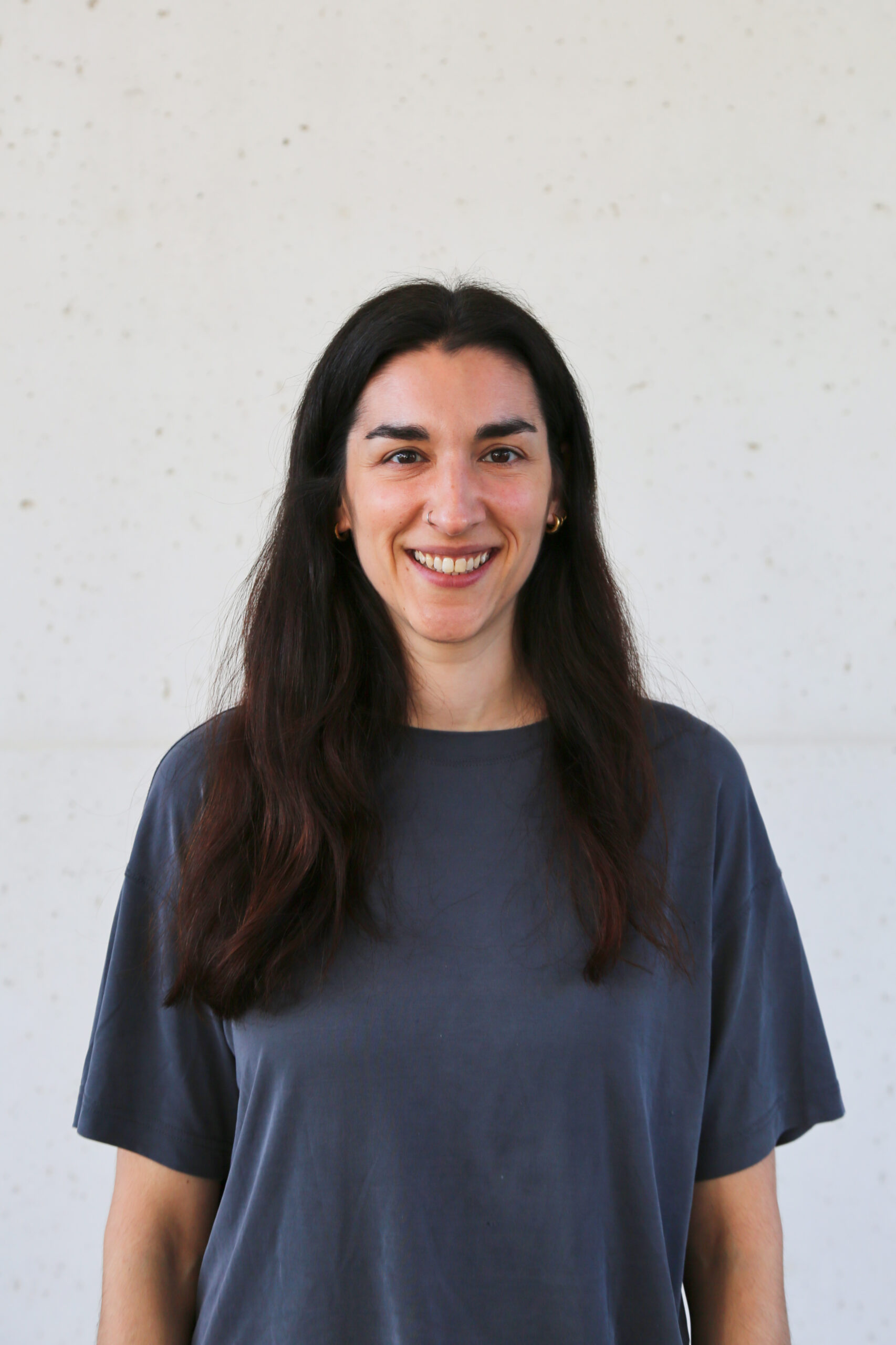
Ana Pereira is a molecular biologist and microbial ecologist with expertise in host-microbiome interactions and genetics. She graduated in Biology (2014) and completed a Master’s degree (2017) and a PhD (2025) in Biodiversity, Genetics and Evolution from the University of Porto. During her doctoral research, Ana Pereira specialized in the skin microbiome of fish, developing advanced proficiency in molecular techniques, next-generation sequencing, and computational analysis of microbial communities. Currently, she is working as a research fellow in the group of Agostinho Carvalho and Cristina Cunha, where she is performing data analysis of molecular and microbial mechanisms underlying immune responses to invasive fungal infections. This translational research aims to identify novel therapeutic targets and diagnostic biomarkers for improved clinical management of fungal diseases.

Ana Pereira

Ana Pereira is a molecular biologist and microbial ecologist with expertise in host-microbiome interactions and genetics. She graduated in Biology (2014) and completed a Master’s degree (2017) and a PhD (2025) in Biodiversity, Genetics and Evolution from the University of Porto. During her doctoral research, Ana Pereira specialized in the skin microbiome of fish, developing advanced proficiency in molecular techniques, next-generation sequencing, and computational analysis of microbial communities. Currently, she is working as a research fellow in the group of Agostinho Carvalho and Cristina Cunha, where she is performing data analysis of molecular and microbial mechanisms underlying immune responses to invasive fungal infections. This translational research aims to identify novel therapeutic targets and diagnostic biomarkers for improved clinical management of fungal diseases.

Add Your Heading Text Here

Projects

As Leader

Projects

As Member

Lung microbiome and mucosal immunity

Recent studies have successfully implicated several factors in the susceptibility to fungal infection, but have provided little insight into the nature of the underlying biological mechanisms. We propose a multiomics approach to link deep clinical phenotyping…


Read More