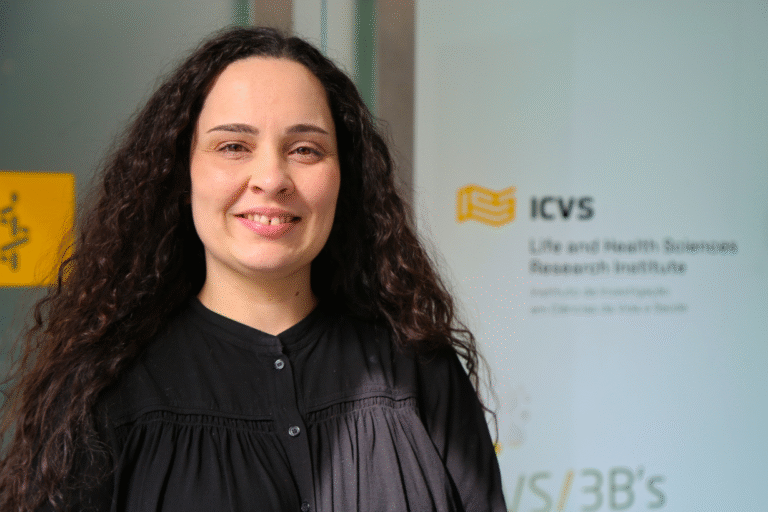
Carina Soares-Cunha, young principal investigator at ICVS, was appointed Scientific Ambassador to the Euro-BioImaging cohort of 2026, highlighting both her scientific leadership and the institute’s growing international visibility.
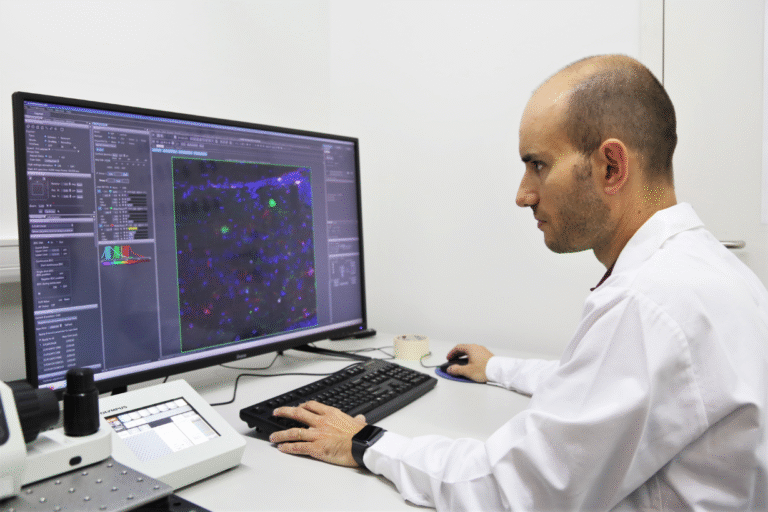
ICVS researcher Nuno Dinis Alves was granted with the Career Support Grant by the International Society for Neurochemistry.
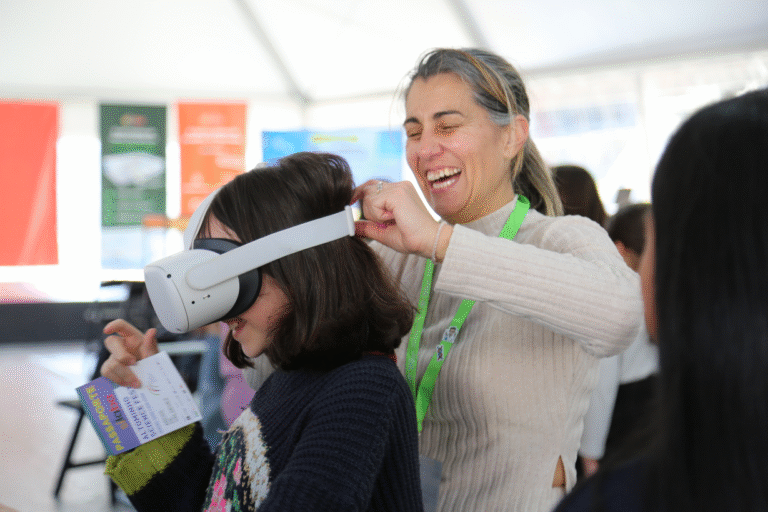
ICVS took part in the second edition of the Alto Minho Science Fest 2026, held from March 12 to 15 in Arcos de Valdevez, bringing science closer to the community through a dynamic programme of interactive activities focused on the brain, health, and well-being.

ICVS researcher Agostinho Carvalho is co-author of a study recently published in Nature that explains why some people are more likely to develop mucormycosis, a rare and often deadly fungal infection also known as “black fungus.” This infection gained global attention following its surge in India during the second wave of COVID-19.
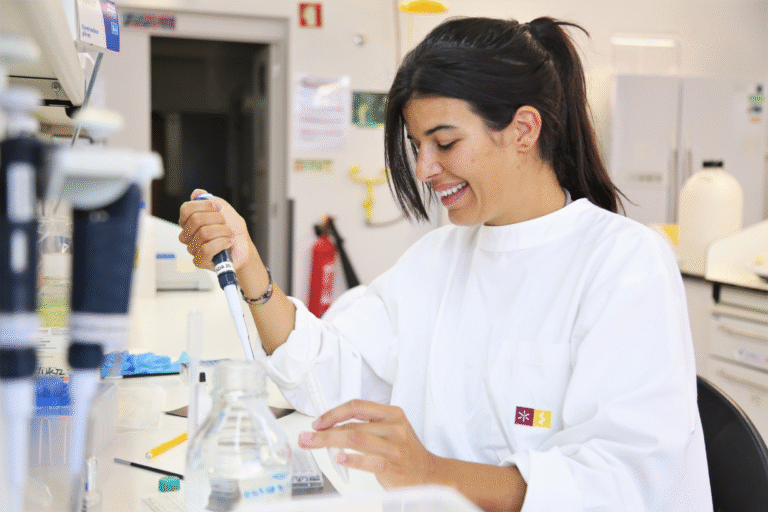
ICVS researcher Sara Calafate has been awarded €250,000 to develop a project investigating how sleep contributes to brain homeostasis/balance and memory organization.
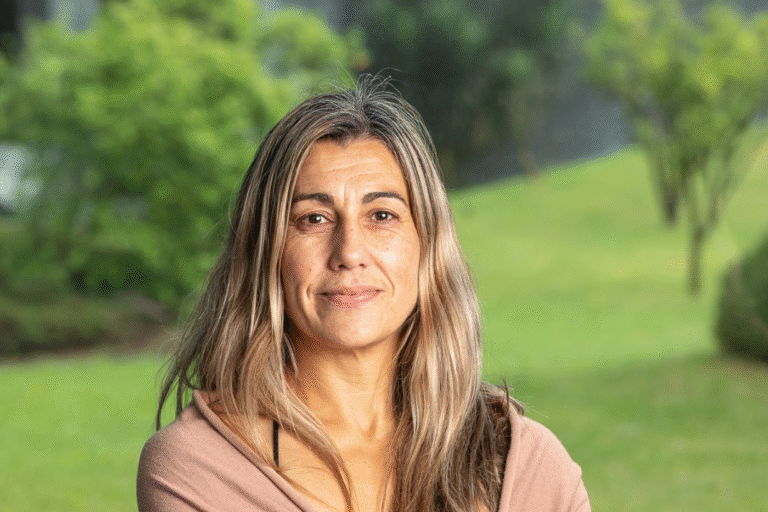
ICVS researcher Belém Sampaio-Marques has been recognized in the iProof – Technology Acceleration Programme, promoted by TecMinho, for her project “Brain-targeting liposomal delivery of MSCs-derived secretome for Parkinson’s Disease treatment” (LIPOSEC4PD).
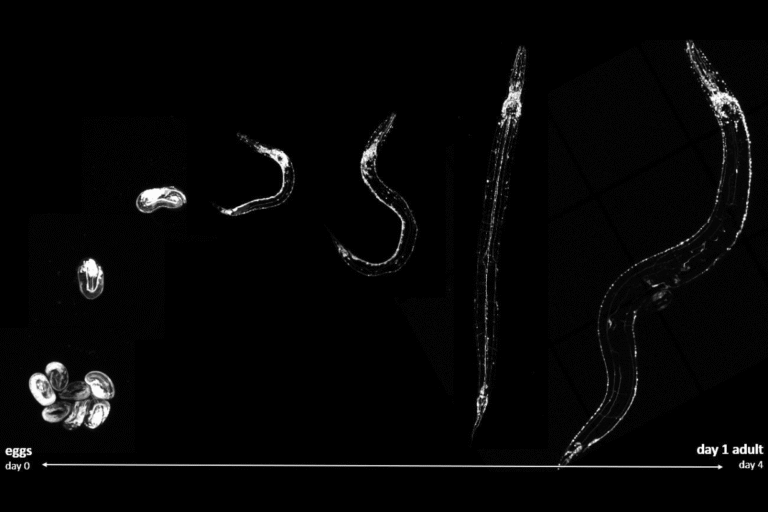
Researchers from ICVS, in collaboration with i3S, University of Coimbra and international partners, have unveiled a promising new strategy for the treatment of Machado–Joseph disease, also known as Spinocerebellar Ataxia Type 3 (SCA3). The study, published in the prestigious journal Advanced Science, focuses on preventing the aggregation of mutant ataxin-3 protein, the molecular cause of this rare, inherited neurodegenerative disease, for which there is currently no cure.
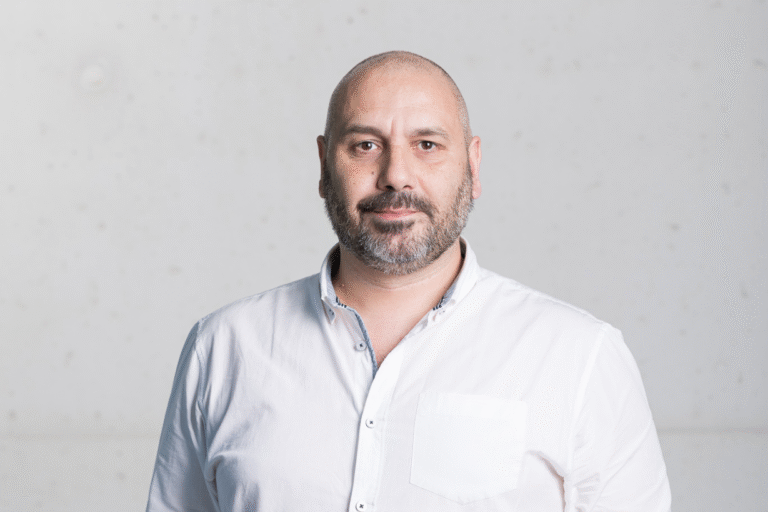
Doctor Ricardo Silvestre has officially taken office as the new Vice-Director of the Life and Health Sciences Research Institute (ICVS) at the School of Medicine, University of Minho, succeeding Doctor Agostinho Carvalho, who left the position to assume the role of Vice-President for Research at the School of Medicine.
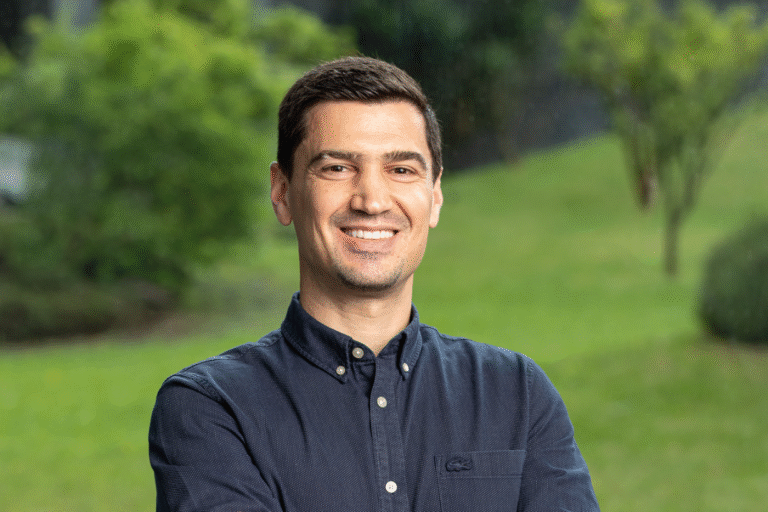
Until now, glioblastoma has been considered the most lethal brain cancer in adults. After two decades, there is no substantial change in survival rates. Classic treatment modalities involving surgery, radiotherapy, and chemotherapy have often shown limited benefits, mainly due to the tumor's underlying resistance mechanisms or due to the inefficacy of drug delivery to the brain itself. In this context, a new research project funded by the la Caixa Foundation is aimed at rethinking the treatment for this disease. Among the partners of this project is ICVS researcher Bruno Costa.
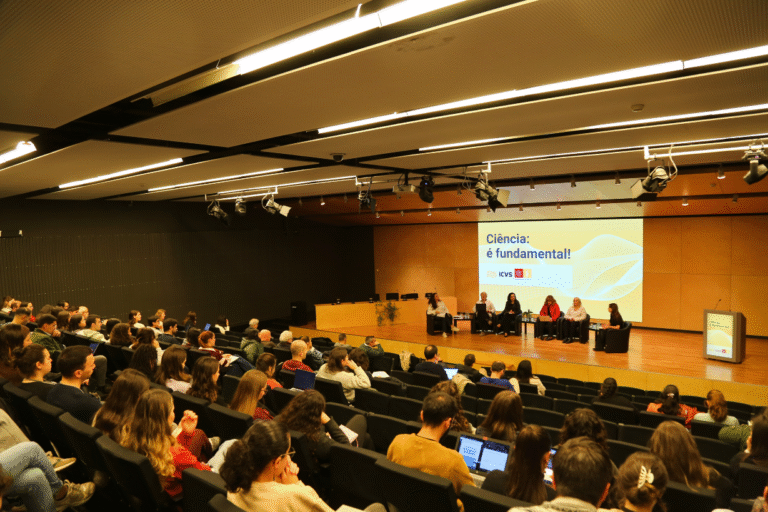
On 24th of November, ICVS marked World Science Day and the National Day of Scientific Culture by hosting the roundtable “Science: It’s Fundamental!”, an event designed to spotlight the essential role of fundamental science in driving innovation in health and shaping the society of tomorrow.